Building a Cybersecurity Culture: Reducing Human Error and Insider Risks
Human error causes over 90% of cybersecurity breaches, and insider threats only make matters worse. Your IT security depends on more than just technology—it requires a strong cybersecurity culture that everyone in your business follows. In this post, you’ll learn practical steps to reduce risks and keep your business protected from within. Contact us today to strengthen your cybersecurity culture and protect your business.
Importance of Cybersecurity Culture
Building a cybersecurity culture in your organization is crucial. It ensures that your team is vigilant about security, reducing risks associated with human error and insider threats. Let’s explore how these elements impact your business.
Understanding Human Error in IT Security
Human error remains a leading cause of security breaches. A single mistake can lead to significant data loss or exposure. Most people believe that technology alone can protect them, but your team’s actions play a vital role. For example, an employee might click on a phishing link, thinking it’s a legitimate email. Over 90% of breaches begin with human error, highlighting the need for awareness and training.
You can prevent such mistakes by implementing regular training sessions. These should focus on recognizing phishing attempts and understanding security protocols. Employees should feel confident in reporting suspicious activities without fear of reprimand. Simple actions like using strong passwords and updating software can make a big difference. It’s about creating a mindset where security is a shared responsibility.
Mitigating Insider Threats
Insider threats are a growing concern for businesses. These can come from disgruntled employees or those who are simply careless. Some assume that threats only come from outsiders, but insiders can cause just as much harm. Insider threats account for 60% of data breaches, making it essential to have safeguards in place.
To manage these risks, conduct background checks during hiring. Use monitoring tools to detect unusual behavior. Encourage a culture of transparency where employees report suspicious actions. Regularly review access controls to ensure only necessary personnel have access to sensitive data. By understanding the challenges insider threats pose, you can better protect your company.
Building a Resilient Security Culture

Creating a resilient security culture requires more than policies; it involves active participation from everyone. Let’s look at strategies to protect your business and engage employees in security practices.
Strategies for Business Protection
A strong security culture begins with policies that everyone understands. Most people think policies are enough, but it’s the implementation that counts. Here’s the key insight: clarity and communication are critical. Utilize tools like security software to protect your systems. These tools should be updated regularly to handle new threats.
Consider adopting a zero-trust approach. This means verifying everyone trying to access your network. Regular audits can also help identify vulnerabilities. Involve your team in creating these policies, so they feel invested in the outcomes. The longer you wait to build this culture, the more vulnerable your business becomes.
Engaging Employees in Security Practices
Your employees are your first line of defense. Engaging them in security practices is essential. Here’s how you can start: make security a part of your daily operations. Host workshops and create an open dialogue about security concerns. Most people think training is a one-time event, but ongoing education is necessary.
You can implement gamification to make learning fun. Reward employees who follow best practices and report issues. This approach not only educates but also motivates. By making security an integral part of your work culture, you ensure everyone is committed to protecting the business.
Proactive Security Management Solutions
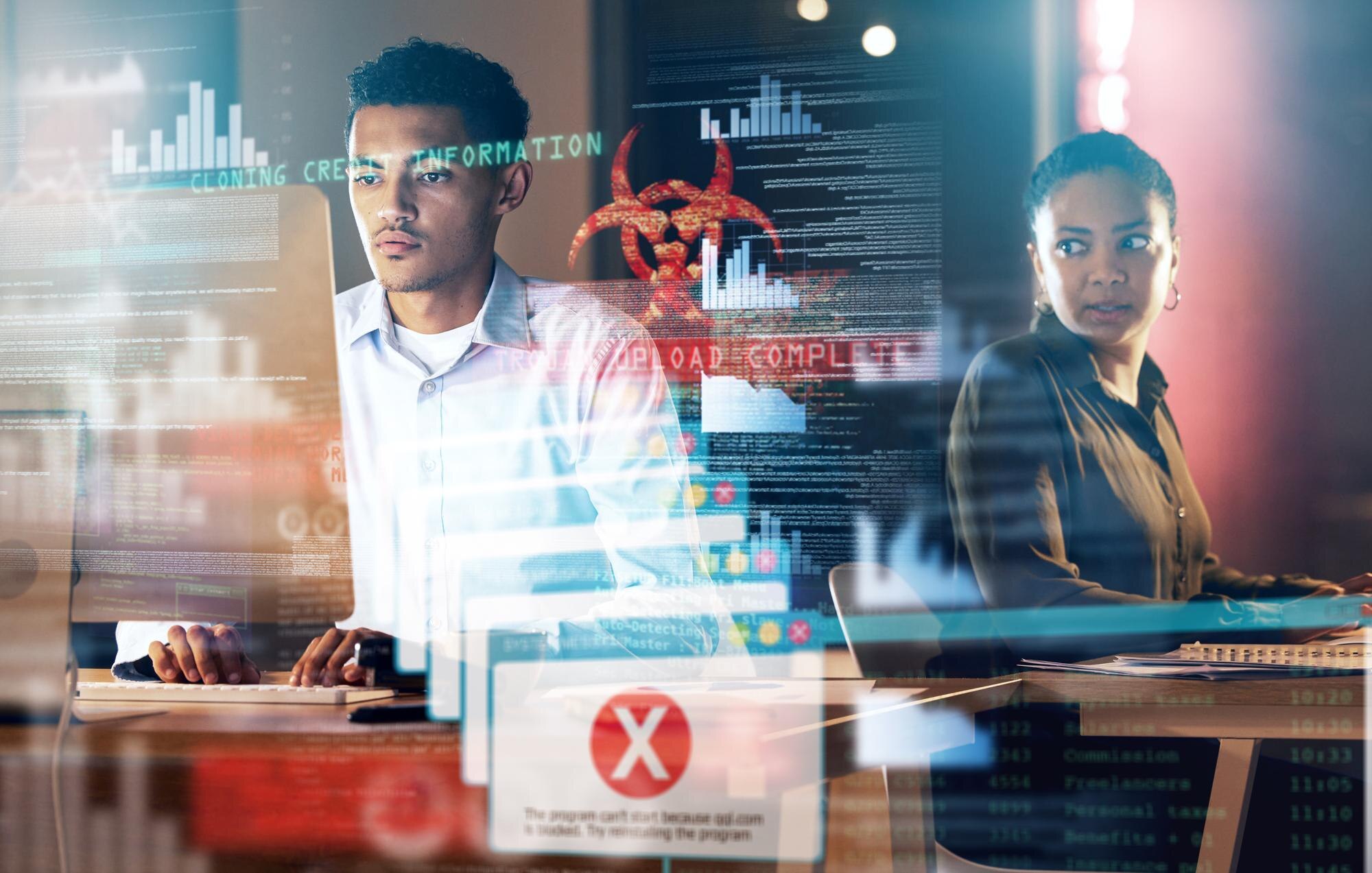
To stay ahead of threats, you need proactive security management solutions. Now, we’ll explore how SIEM services and virtual CISO consulting can enhance your defense strategy.
SIEM Services for Threat Detection
Security Information and Event Management (SIEM) services are vital for detecting threats. They provide real-time analytics and alerts, allowing you to respond quickly. Many assume they’re only for tech companies, but all businesses can benefit. With SIEM, you can track unusual activities and prevent breaches before they occur.
Consider the benefits: faster threat detection and response, reduced impact of incidents, and a comprehensive view of your security landscape. Implementing SIEM services means you’re always one step ahead of attackers. This proactive approach ensures your business is protected from evolving threats.
Virtual CISO Consulting Benefits
A Virtual Chief Information Security Officer (vCISO) can provide expert guidance without the cost of a full-time executive. This consultant helps you develop and implement security strategies tailored to your needs. Many think hiring a vCISO is expensive, but it’s a cost-effective way to access top-tier expertise.
With a vCISO, you gain access to insights and strategies that align with your business goals. They assist in policy development, risk assessment, and incident response planning. By using their expertise, you enhance your security posture and build resilience against threats.
In conclusion, building a cybersecurity culture is essential in minimizing risks. By understanding human error and insider threats, engaging employees, and using proactive solutions, you can protect your business effectively. Stay vigilant and continue to strengthen your defenses.